
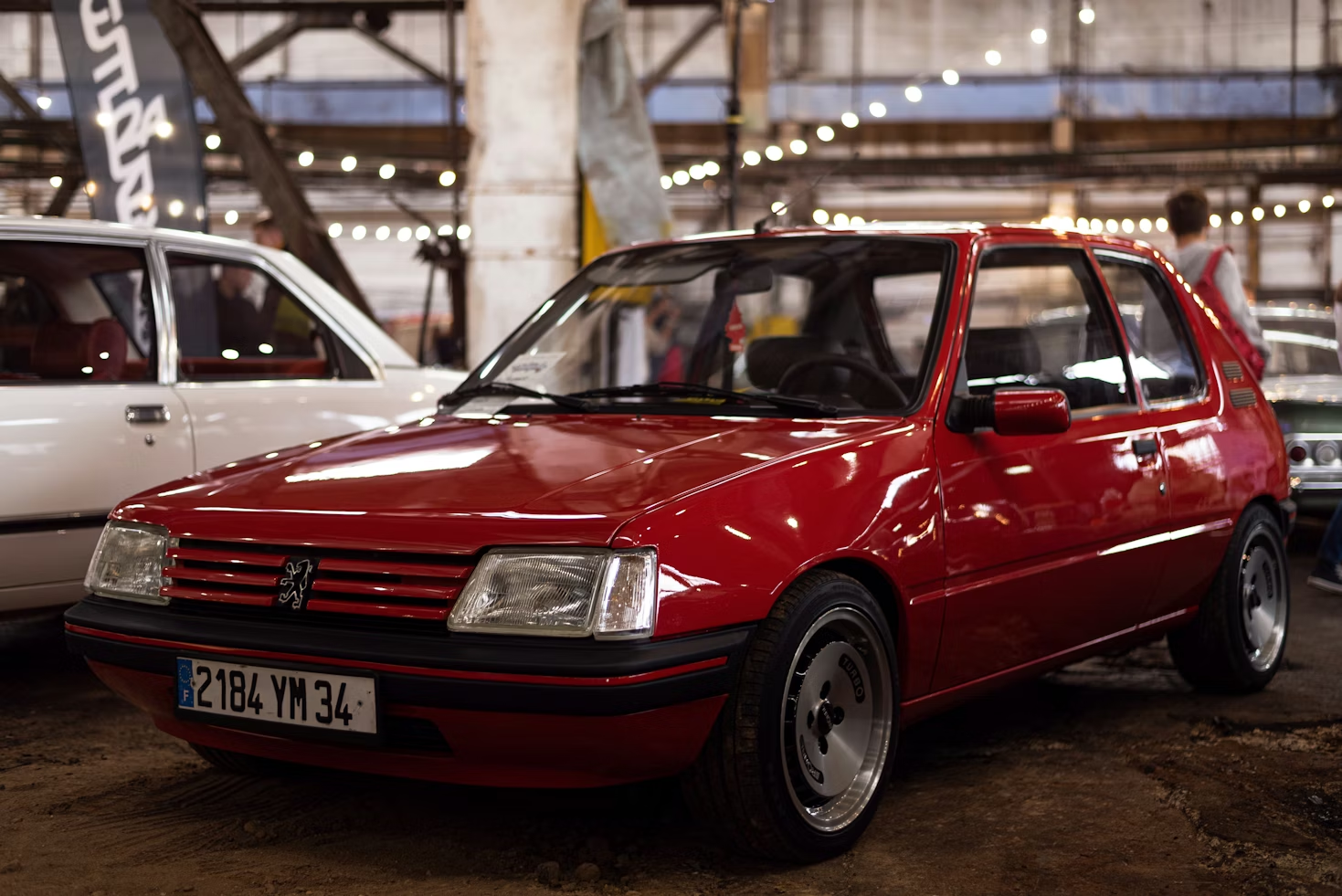
Buying a used car in France as an expat can feel daunting. The laws are different, the process is foreign, and the brands are unfamiliar.
We recently purchased a used car in France. The process was convoluted and definitely French, compared to what we’re used to when buying a car in the US.
Below, we’ll break down the steps we went through, from searching to purchasing. Plus, we’ll compare the experience of buying a used car in France vs the US.
Searching for Used Cars in France
There are plenty of platforms in France for searching for used cars, but one really stands out: Leboncoin (the same site we used to find our apartment).
We tried looking through other sites like Ooyyo and Largus, but never felt like they had nearly as many recent, up-to-date listings.
We were able to see listings from both private sellers and local dealerships on Leboncoin. Most importantly, we were able to filter for the American essential: automatic transmission. To our surprise, there were plenty of automatic options to choose from, in gasoline, hybrid, or electric.
Private Sale vs Dealership
In addition to private sellers selling their used cars, there are also independent and franchise used car dealerships in France.
When purchasing from a private seller, the buyer must handle the car registration – the Carte Grise. It’s also a good idea to get an independent inspection of the vehicle at a mechanic.
When purchasing from a dealership, they handle all the car registration and transfer. There’s often an inspection as well, albeit from their own garage.
Because of our unfamiliarity with the purchase process and the car registration, we focused our search on dealerships and found several helpful associates who were willing to walk us through the process.
Dealership Fees in France
Dealerships charge fees, or frais, which aren’t included in the advertised price. The fees include the cost of the Carte Grise, which varies by department and vehicle, but cost us €230 as a one-time fee. There is no yearly vehicle tax owed in France like in the US, only this fee.
Outside of the registration fee, we had dealerships quote us between €150-€850 in additional fees. This can add a significant amount to the total price of a car.
Contrôle Technique – Mandatory Car Inspection
The contrôle technique is a mandatory inspection that must be performed every two years on cars older than four years.
The dealership should include a valid inspection when selling the vehicle, although it may not be performed until after you agree to buy the car.
As our car was only three years old, we haven’t needed an inspection yet.

Documents Needed to Buy a Car in France
To process the sale and the car registration, our dealership asked for several documents. As they were doing all the paperwork on our behalf, the bureaucracy was surprisingly light and easy.
- ID Card
- Driver’s License
- Proof of address
We used our passports, French driver’s licenses, and utility bills. US driver’s licenses should also be accepted, but are only valid for the first year of residency in France.
Dealership Warranties
Another perk of purchasing through a dealership: they offer maintenance warranties on the car. Most non-wear items are covered for 3, 6, or 12 months with the option to purchase an extended warranty.
The warranty can be used at any garage associated with the car brand, so it can be beneficial to buy a French car or another popular brand like Volkswagen, Ford, or Toyota.
One big point to note: you will not be reimbursed for any out-of-pocket expenses for covered maintenance. The garage must negotiate the maintenance and costs directly with the insurance company, and the insurance company pays the garage directly.
Car Insurance in France
Car insurance in France is generally organized into three different categories: liability only, liability plus fire and theft, and comprehensive insurance.
Liability Only – Responsabilité Civile
This is the minimum legally required insurance in France and only covers damage to third parties, not your own vehicle or injuries.
The policies can be less than half the price of full coverage, but leave your health and car completely uninsured.
Liability + Fire & Theft – Tiers Collision, Incendie et Vol
These policies cover third-party liability plus damage to your own car caused by fire, theft, or some natural disasters.
Comprehensive Insurance – Tous Risques
These policies are the most similar to American car insurance options. They add on coverage for your car, even if you’re at fault in an accident.
This is the policy we ended up choosing.
Shopping for French car insurance
Many insurance companies in France are completely unfamiliar to us as Americans. We walked into a few local insurance agencies looking for quotes and compared them to quotes received online from aggregator websites.
The two big websites we used to compare quotes were LesFurets and LeLynx.
L’Olivier
After comparing different plans, we went with the cheapest option, the online-only insurance provider L’Olivier. Use our code LOA-SBRC29 for €50 off your plan.
The Long Wait
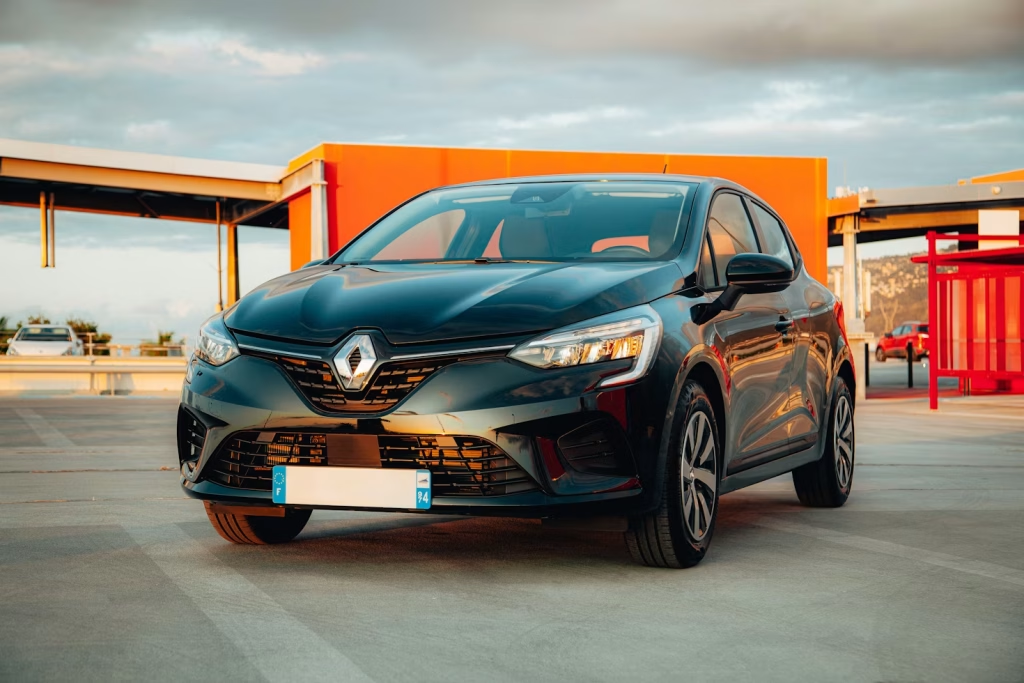
We’ve bought a few cars in the US and are familiar with the process. Many American dealerships are notorious for their high-pressure sales tactics and want nothing more than for you to drive home today in a new car, before you have a night to think it over.
France is the opposite. You may want nothing more than to buy a car today, but that just doesn’t fit into their schedule. Most dealerships we talked with said it would take about two to three weeks before the car would be ready.
It ended up taking us two weeks between signing the paperwork and the car being ready for pickup. We really started to wonder whether we’d actually get the car or not, as we hadn’t yet paid for it and the dealership wasn’t answering our phone calls.
Throughout all the cars and dealerships, we never felt pressured to buy any cars, nor were we upsold on anything extra. The salesmen were all straightforward about what was available within our budget.
Questions? Comments? We’d love to hear from you in the comment section, or feel free to write us directly.
🥖 🧀 🍷
Subscribe to our Newsletter and never miss a post!


Leave a Reply